Project title: Soil Health and Ecosystem Services – STATE
Period: January 2025 – December 2027
Funded by: The European Commission through IMPEL (European Union Network for the Implementation and Enforcement of Environmental Law)
Website: (under development)
Description:
A recent report by the JRC – EU Soil Observatory indicates that 60%–70% of soils in the EU are currently in an unhealthy state. While current EU and Member State policies have contributed positively to improving soil health, they do not yet address all the drivers of soil degradation; consequently, significant gaps remain. Soil Monitoring and Resilience Directive[1] are ca obiectiv instituirea unui cadru solid și coerent de monitorizare a solurilor pentru întregul teritoriu al UE și să îmbunătățească în mod continuu sănătatea solului, în vederea obținerii unui sol sănătos până în 2050, menținând solurile în stare sănătoasă, astfel încât să poată furniza mai multe servicii ecosistemice la o scară suficientă pentru a satisface nevoile de mediu, societale și economice, pentru a preveni și a atenua impactul schimbărilor climatice și pierderea biodiversității, pentru a crește reziliența la dezastre naturale, pentru a asigura securitatea alimentară și pentru a reduce contaminarea solului la niveluri care nu mai sunt considerate dăunătoare sănătății umane și mediului.
Thus, the STATE project was designed in consultation with DG ENV—the European Commission’s Directorate-General for Environment—to support the implementation of the new directive by evaluating available sustainable soil management practices and identifying the most effective ones for addressing the various forms of soil degradation listed in the Annex I [2] of the proposal for a directive. Assessing the costs, benefits, and applicability of these practices across various local soil and climate contexts will be crucial throughout the project. The soil degradation issues addressed by the project are: 1. Salinization, 2. Soil erosion, 3. Loss of soil organic carbon, 4. Subsoil compaction, 5. Topsoil compaction, 6. Excess soil nutrient content, 7. Soil contamination, 8. Reduced soil water-holding capacity, 9. Acidification, 10. Loss of soil biodiversity, 11. Soil settling.
The project will be carried out in line with the objectives of the “A Soil Deal for Europe” Mission (Mission Soil), a large-scale initiative focused on protecting and remediating soils and promoting sustainable management practices in urban and rural areas.
General objective:
The project aims to provide technical support, facilitate the exchange of experience, and transfer scientific knowledge and best practices to improve soil health and the provision of ecosystem services in EU Member States.
Results:
- Development of technical guidance (Ex: Guidance on sustainable soil management – will present best practices for sustainable soil management and their effectiveness; Technical guidance on the conservation of soil ecosystem services);
- Promoting the use of these documents by initiating support actions between partner countries and by presenting them at relevant international events.
Project managers:
Dr. Eng. Marco FALCONI – ISPRA (Italian Institute for Environmental Protection and Research – Geological Survey of Italy)
Dr. Eng. Iustina POPESCU – IGR (Geological Institute of Romania)
[1] https://eur-lex.europa.eu/resource.html?uri=cellar:01978f53-1b4f-11ee-806b-01aa75ed71a1.0001.02/DOC_1&format=PDF
[2] https://eur-lex.europa.eu/resource.html?uri=cellar:01978f53-1b4f-11ee-806b-01aa75ed71a1.0001.02/DOC_2&format=PDF
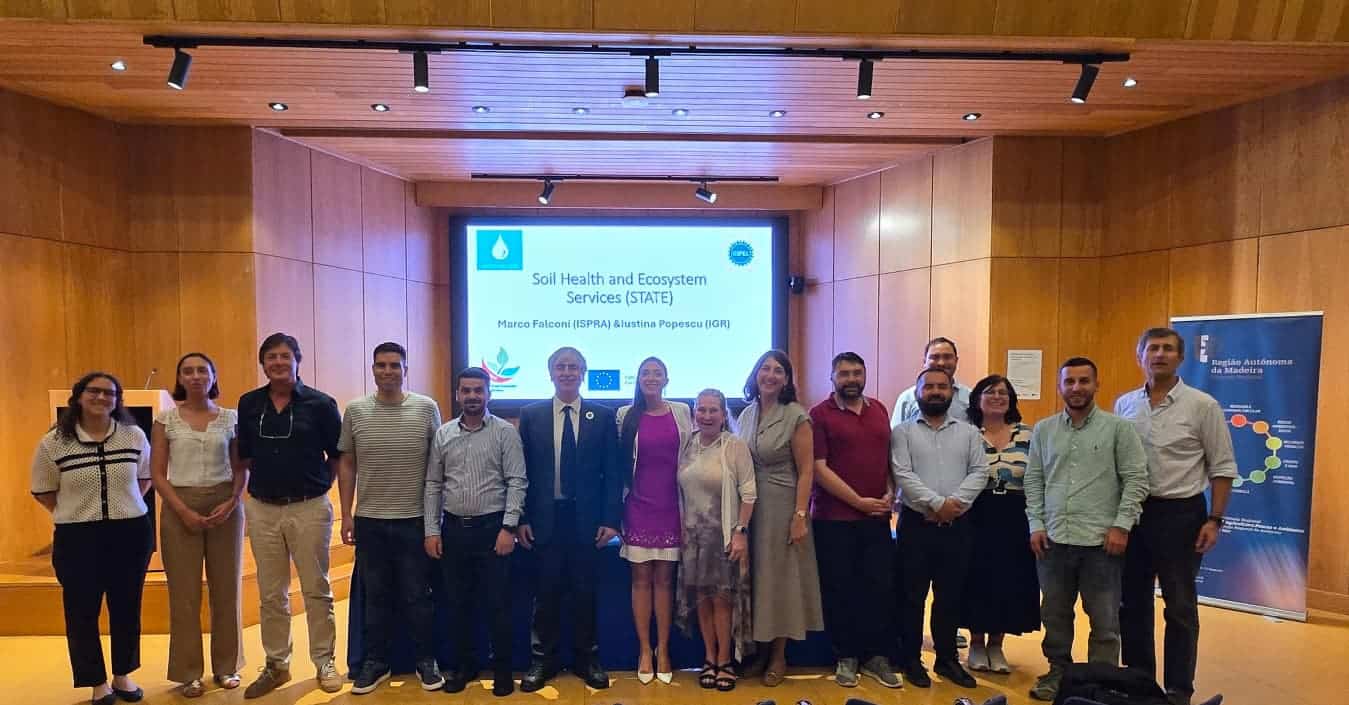
The IMPEL STATE – Soil Health and Ecosystem Services project meeting strengthens European cooperation on soil health.
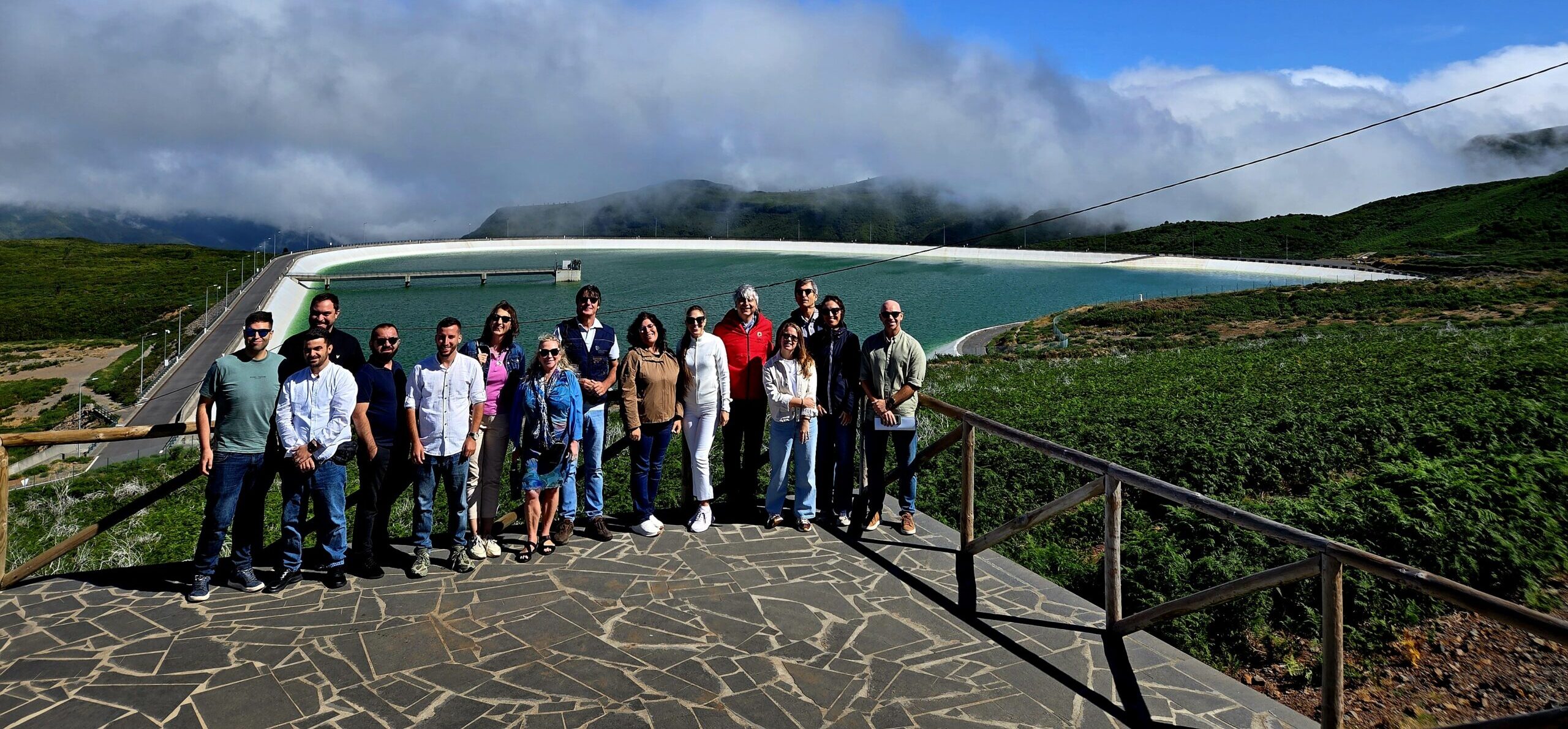
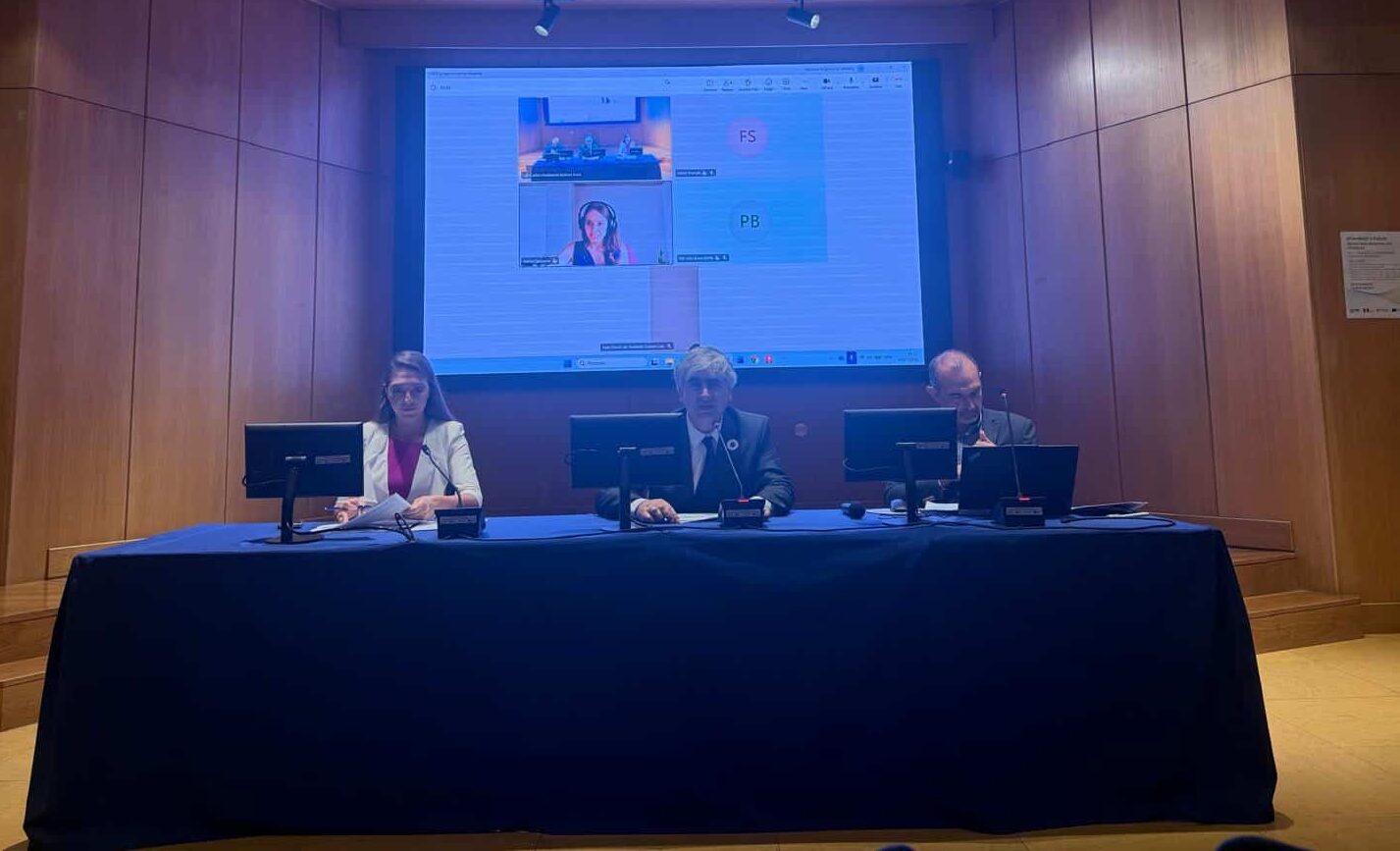
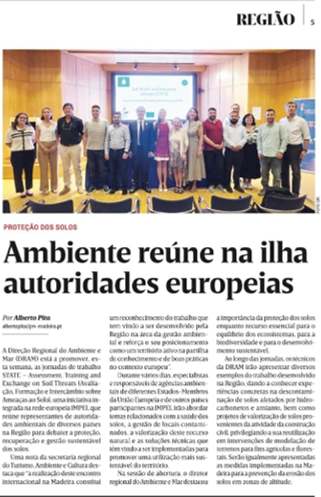
The STATE project working meeting took place on July 16–17 in Funchal, Madeira (Portugal), bringing together representatives from environmental authorities, research institutes, and technical experts from across Europe. The event aimed to facilitate the exchange of knowledge and best practices to support the implementation of upcoming European legislation on soil protection and monitoring.
The meeting was hosted by the Regional Directorate for Environment and the Sea (DRAM) and focused primarily on the implementation of the EU Soil Monitoring and Resilience Directive, the results of the STATE questionnaire, and a presentation of findings regarding methods for soil remediation and restoration aimed at supporting the delivery of ecosystem services. Representatives from the European Commission’s Directorate-General for Environment (DG Environment) and the Joint Research Centre (JRC) presented the latest legislative and scientific developments concerning the upcoming directive and the assessment of ecosystem services, providing participants with an up-to-date overview of European policies in this field.