About the Museum
Housed in one of Bucharest’s most beautiful buildings and boasting a rich collection, the National Museum of Geology is a premier tourist and cultural attraction.
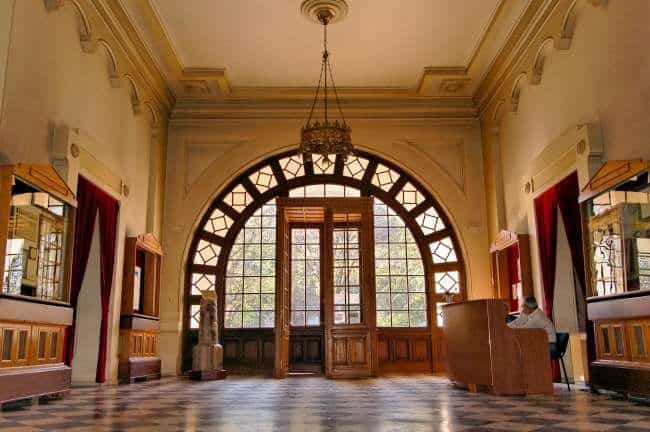
The imposing building at 2 Kiseleff Road was constructed in the early 20th century and was originally intended to house the Geological Institute of Romania, established by a royal decree issued by Carol I in 1906. Over a century ago, alongside the research conducted there, the site housed rock and mineral collections open to public viewing. The museum’s holdings were gradually enriched through donations from institutions and private individuals—mostly geologists who had worked there. Attempts to organize a museum were thwarted by bombings and earthquakes, which severely damaged the building. Prior to the completion of structural reinforcement work in 1989, there were proposals to repurpose the building; the Ceaușescus had intended to convert it into a museum for hunting trophies. The building was restored based on period photographs, though the library hall and a spiral staircase—which had led to a balcony encircling the hall like a band—were not reconstructed. The National Museum of Geology, operating as part of the Geological Institute of Romania, officially opened in April 1990.
The National Museum of Geology is unique in its conception. It presents, in a logical sequence, all branches of the geosciences—ranging from the formation of planets, minerals, rocks, and deposits of useful mineral resources to global tectonics, the evolution of life on Earth, and the emergence of humankind.
- In the “Collections” Hall, visitors can admire Romanian mineral specimens.
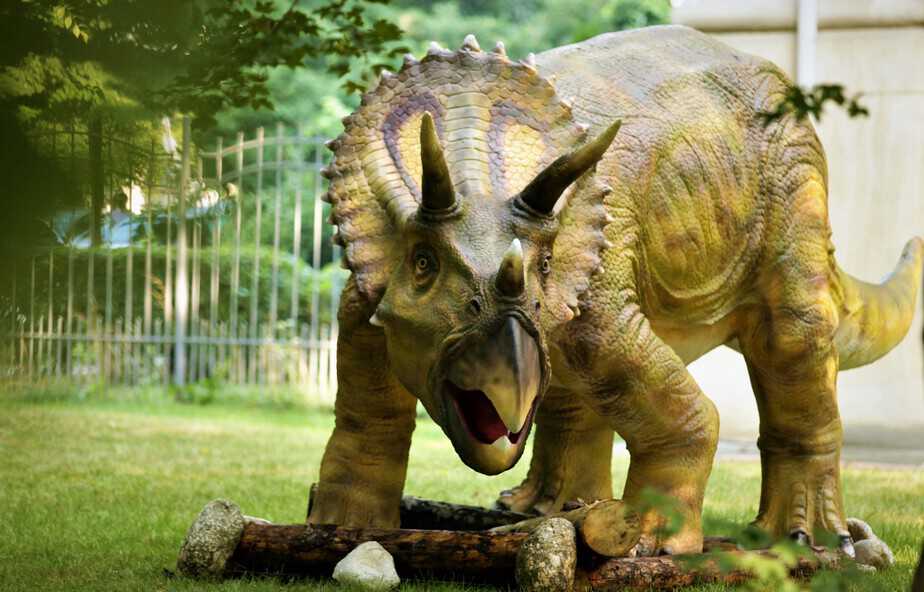
- The former library hall houses dinosaurs discovered in Romania, as well as reptiles and other creatures that lived hundreds of millions of years ago.
- In the basement, the “Geology of Romania” halls display petrographic collections arranged according to major geotectonic units; these are intended primarily for specialists.
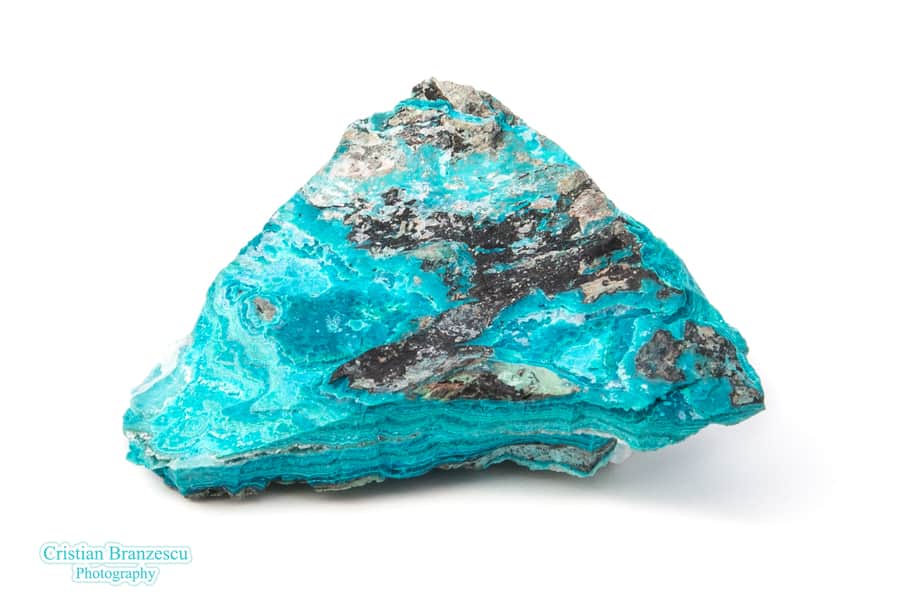
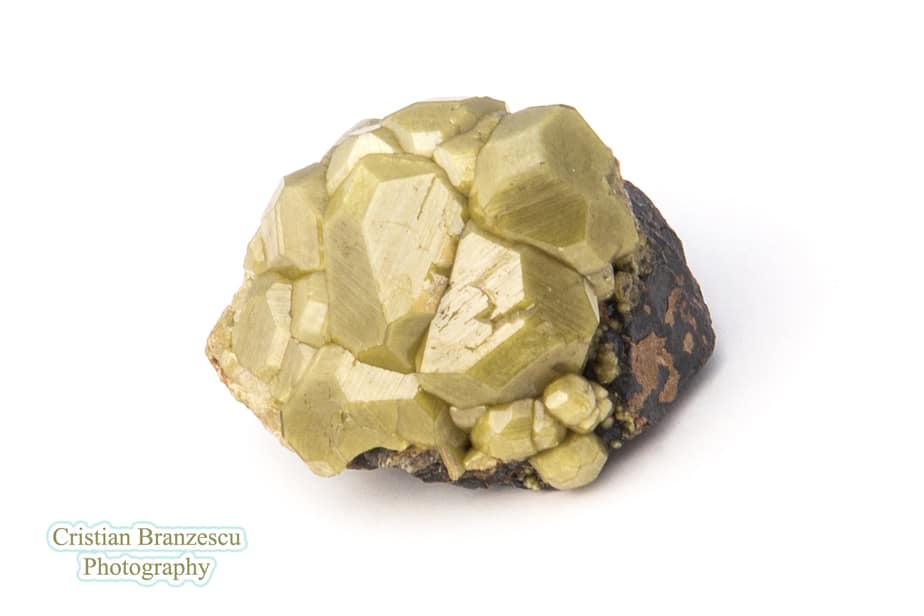
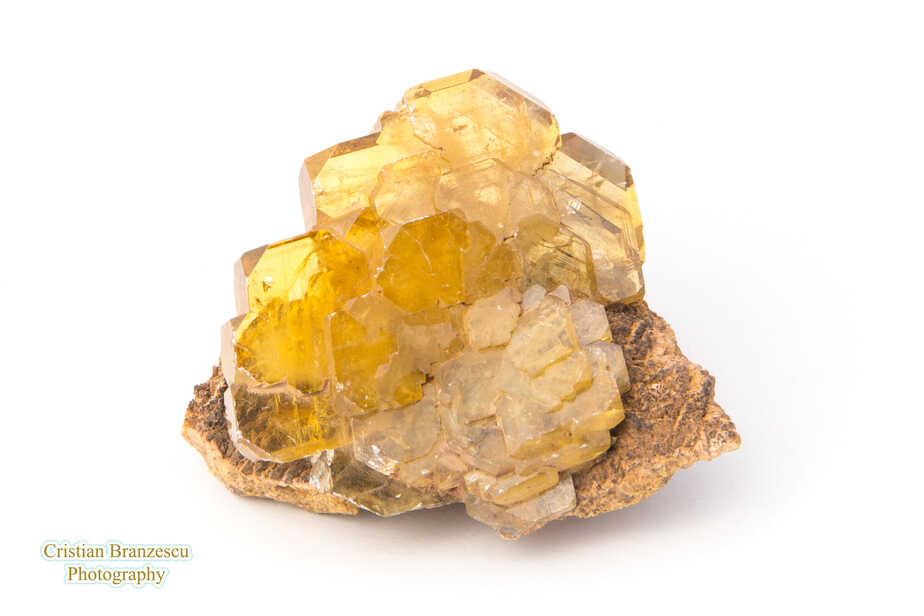
- The mineralogy halls feature specimens with unusual shapes, gathered from all over the world.
- Fluorescent minerals can be viewed in a special hall where ultraviolet light transforms seemingly ordinary rocks into a spectacular display of color.
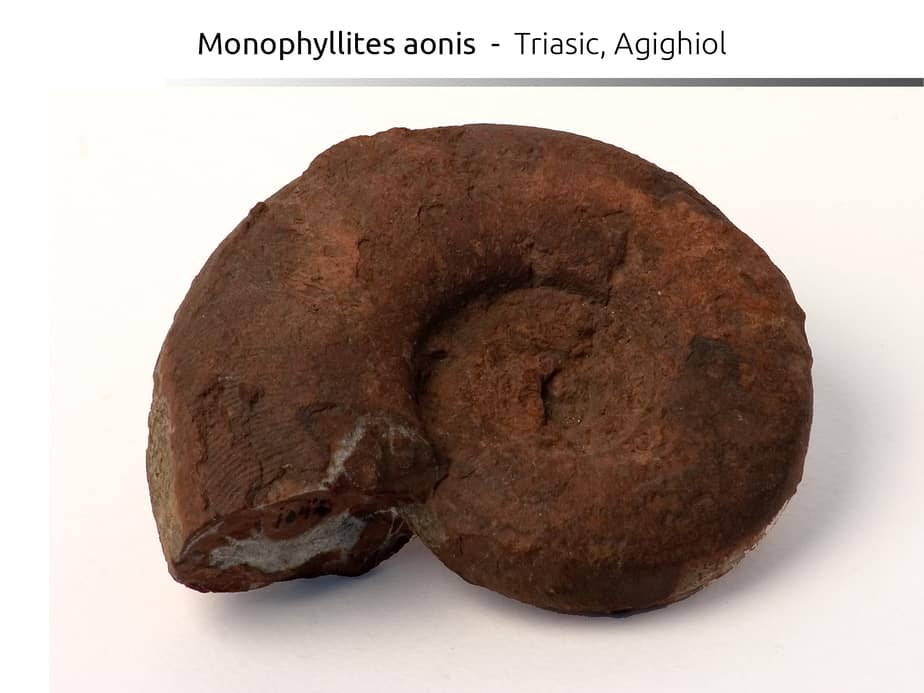
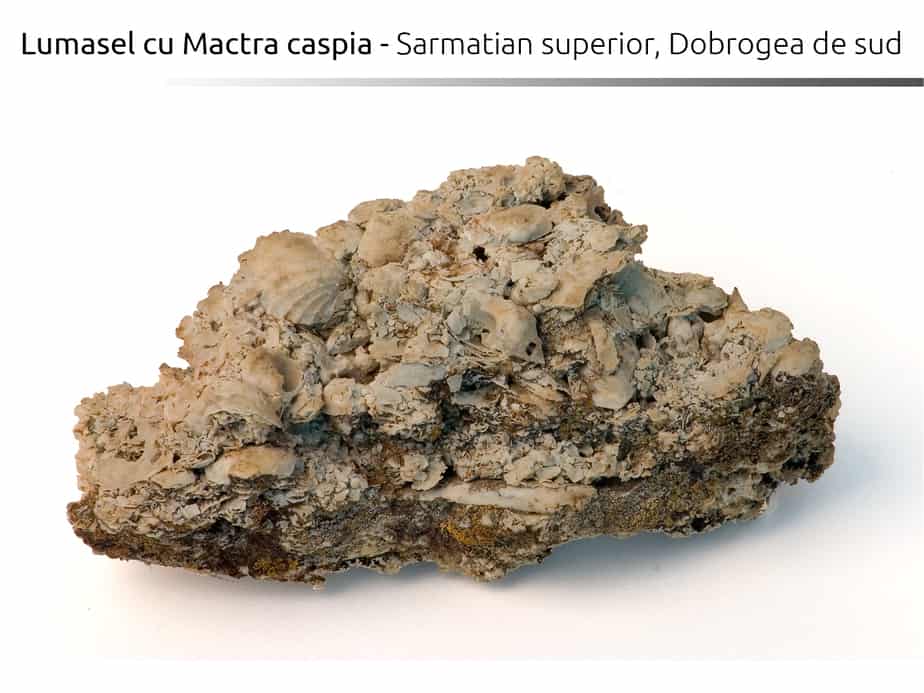
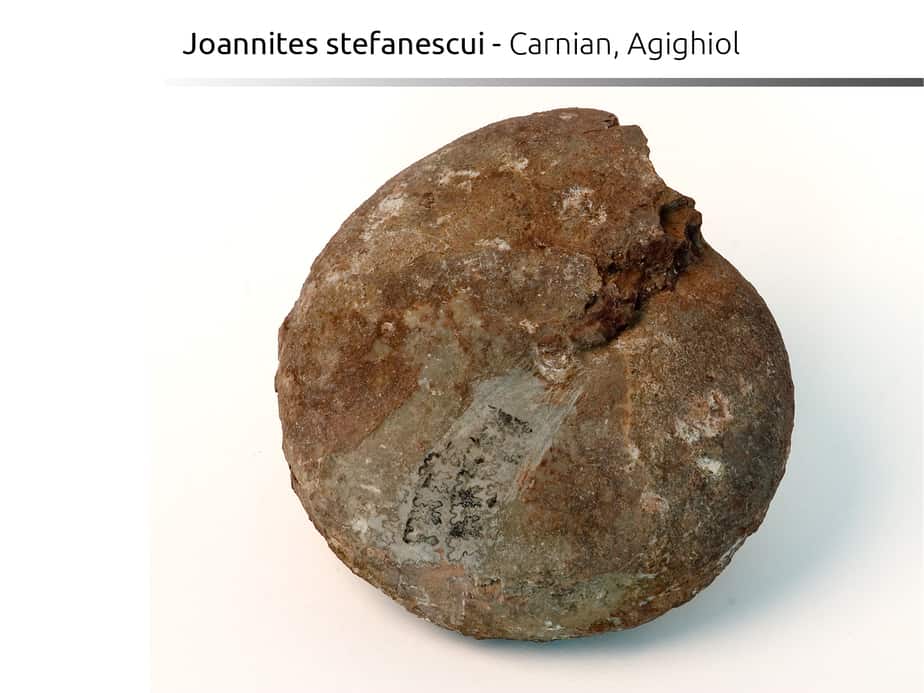
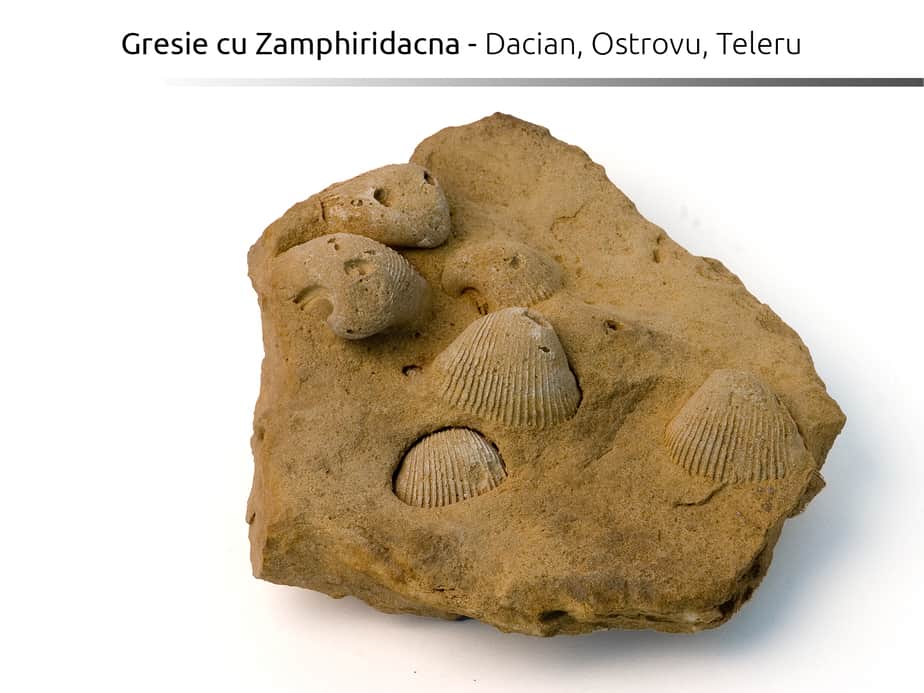
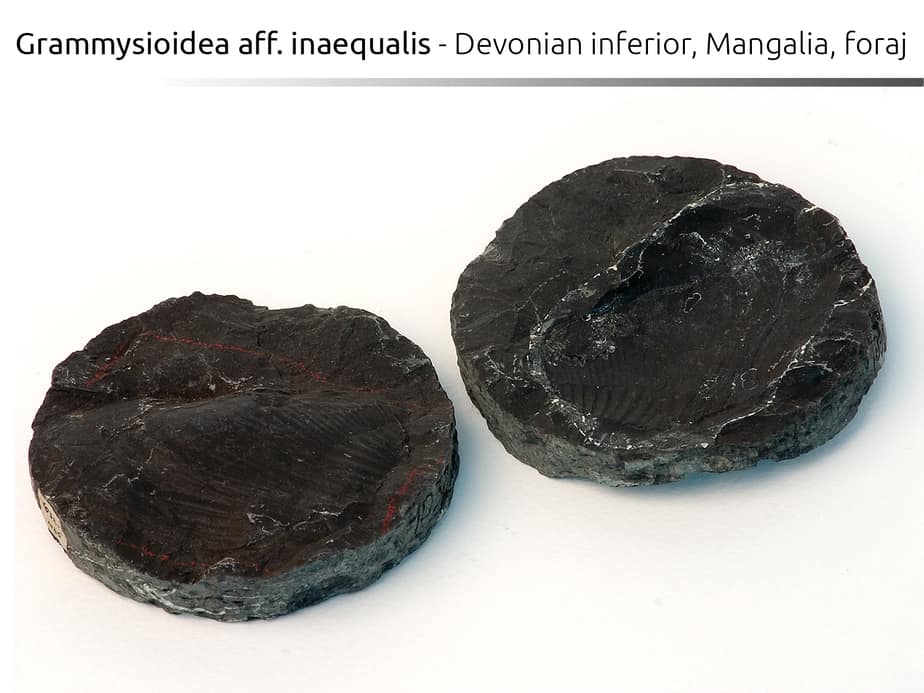
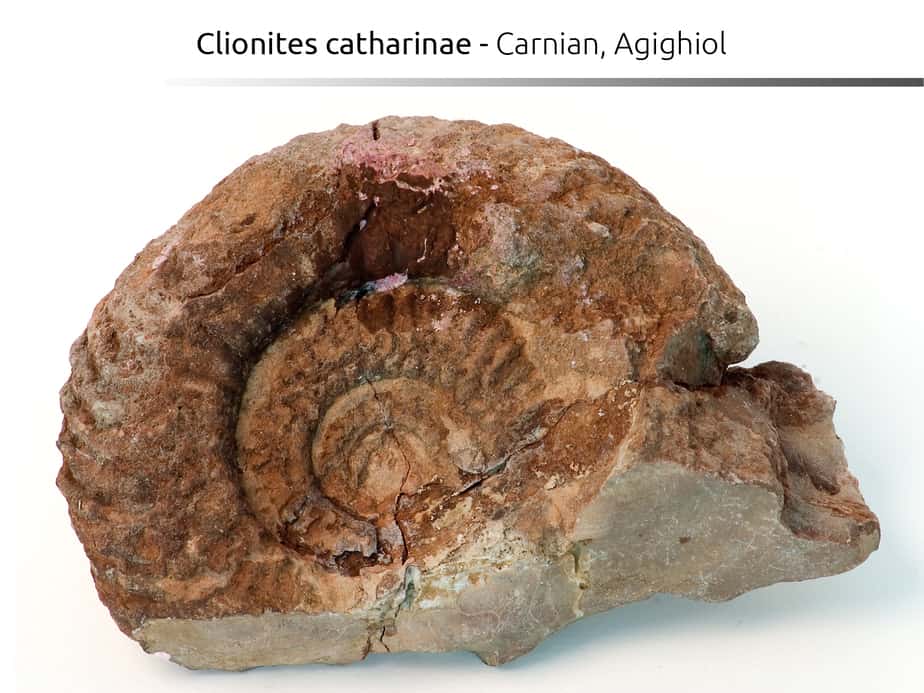
- The stratigraphy section offers insights into the history of the Earth and the geological evolution of the Romanian territory.
The museum includes other sections—covering Earth’s internal dynamics, petrography (featuring main rock types, some over a billion years old), mineral deposits (metalliferous ores, coal, oil, salt), paleobotany and paleozoology, and the tectonics of Romania—as well as several borehole samples representative of the country’s territory.
Museum visitors are offered various specific themes and routes, guided by specialists in geological sciences.